
Orthodontic Treatment May Improve Function as Well as Appearance
A straighter smile is often the first thing people think about when considering orthodontic treatment, but appearance is only part of the story. For many patients, albany braces can also help address practical concerns involving the way teeth fit together, how crowded areas are managed, and how the bite functions during everyday activities such as chewing. Orthodontists look at the overall relationship between the teeth and jaws rather than focusing only on visible alignment. That broader view can be especially important when crowding, spacing, or bite irregularities are creating difficulties that may become more noticeable over time. Treatment is therefore planned around both appearance and oral function.
Crowded teeth are a common reason people explore braces because overlapping or tightly positioned teeth can be harder to clean properly. When teeth are difficult to reach with a toothbrush or floss, plaque may collect in areas that are easy to miss. Orthodontic treatment can gradually create better alignment, which may make every day cleaning more manageable once treatment is complete. Spacing can present a different type of concern, especially when gaps affect the way neighboring teeth sit or how the bite comes together. An orthodontist can assess these details carefully and determine whether braces are appropriate for the individual situation.
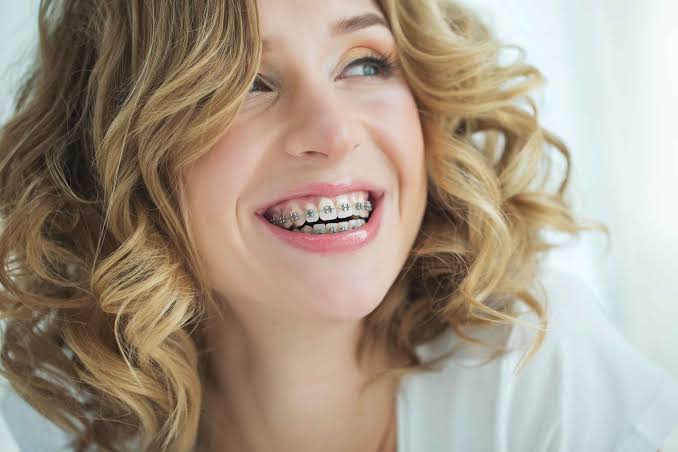
Bite problems are another area where orthodontic care may play an important role. Some patients have teeth that meet unevenly, while others may have an overbite, underbite, or crossbite that affects how the upper and lower teeth interact. These issues are not identical, and treatment will depend on their cause and severity. Braces can apply controlled pressure over time to guide teeth toward more suitable positions, although every case follows its own timeline. Regular appointments allow the orthodontist to monitor progress, make adjustments, and check that movement is occurring in a planned and healthy way.
The day-to-day experience of orthodontic treatment also deserves attention. Patients usually need to spend a little more time cleaning around brackets and wires, and certain foods may need to be avoided to reduce the chance of damaging the appliance. Mild tenderness can happen after adjustments, but it often settles as the mouth adapts. These small changes can feel unfamiliar at first, yet most people gradually build them into their normal routine. Good communication with the orthodontic team can make the process easier, especially when questions arise about hygiene, discomfort, broken brackets, or what to expect at the next stage.
Looking at orthodontic care only as a cosmetic choice can miss many of the practical reasons people decide to begin treatment. With albany braces, the goal may include improving alignment, supporting a more balanced bite, reducing difficult-to-clean crowding, and creating a smile that feels more comfortable and confident. The exact benefits depend on the individual, which is why a professional assessment is so important before treatment begins. A carefully planned approach considers current concerns, long-term oral health, and realistic treatment goals. When those pieces come together, braces can become more than a way to change appearance, they can be part of a broader plan for healthier, more functional teeth.
