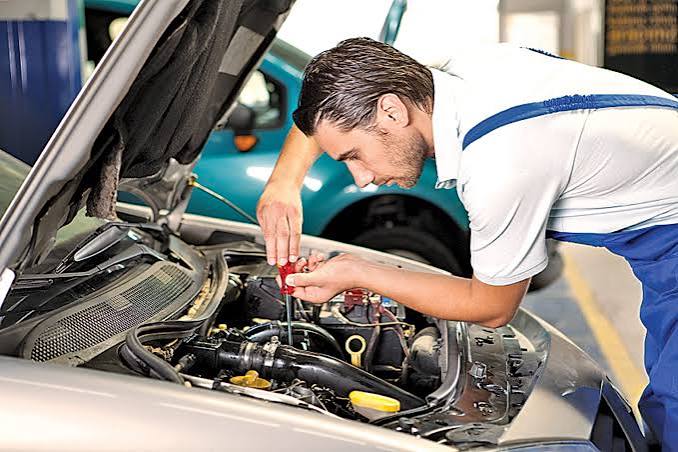
Complete Auto Care Starts with a Shop You Can Trust

Your Vehicle Deserves More Than a Quick Fix

A vehicle may look perfectly fine from the outside while routine wear quietly builds underneath. That is why choosing the right shop matters before a small maintenance need turns into an inconvenient repair. Whether the visit is for an oil change, brake service, or factory-scheduled maintenance, dependable auto repair should begin with technicians who take time to understand the vehicle rather than rush through a checklist. Careful service gives drivers a clearer sense of what is working well, what needs attention now, and what can simply be monitored over time. That kind of steady attention can make ownership feel much less uncertain.

Routine maintenance has a way of feeling ordinary until it is skipped. Fresh oil helps protect moving engine parts, filters keep unwanted material from circulating, and properly maintained fluids support systems that work under heat and pressure every day. Brake components wear gradually as well, often giving subtle clues before performance changes become obvious. A reputable shop looks at those everyday service items with the bigger picture in mind. Instead of treating each appointment as an isolated job, technicians can consider mileage, previous work, driving habits, and manufacturer recommendations to help keep maintenance organized and practical. It is a simple approach, but it can prevent plenty of avoidable stress later.

Auto Repair

Factory-scheduled service is another area where consistency pays off. Vehicle manufacturers set maintenance intervals because certain parts and fluids need attention as mileage increases, even when the car still feels normal from behind the wheel. Depending on the model, that may include inspections, fluid replacement, filter changes, belt checks, tire service, or other preventive work. Following those intervals can help reduce surprise failures and gives technicians regular opportunities to notice developing wear. It also makes future service easier to plan, especially for drivers who rely on their vehicle every day and would rather avoid unexpected downtime.

Trust also comes from how a shop communicates. Most drivers do not want a long technical lecture, but they do want to know why a repair is recommended and whether it is urgent. Good technicians can explain findings in plain language, show where wear is occurring when appropriate, and separate necessary work from items that can wait. Clear estimates and realistic priorities make the experience feel less pressured. That approach is especially useful when several maintenance needs appear at once, because the customer can make informed decisions instead of feeling pushed into work without understanding the reason behind it. A calm explanation can make even an unexpected repair easier to handle.

Over time, a reliable shop can become part of the vehicle’s routine rather than a place visited only when something goes wrong. Returning to the same team means service history is easier to follow, recurring issues are easier to recognize, and maintenance can be planned with more confidence. Quality auto repair is not just about solving the problem that brought the car in that day, it is about helping the vehicle stay dependable between visits. With attentive inspections, responsible recommendations, and consistent workmanship, drivers can feel more comfortable knowing their car is receiving the kind of care that supports safe, smooth, and predictable driving.

read more

Reliable Cars Depend on More Than Routine Oil Changes

Comprehensive Service Helps Important Systems Work Together

A reliable car is built on the way all of its systems work together, not on a single service performed once in a while. Oil changes matter, of course, but they are only one piece of a much larger maintenance picture. Brakes, steering, suspension, tires, cooling components, batteries, belts, and electrical systems all contribute to how confidently a vehicle responds on the road. That is why professional auto repair can be so valuable, especially when trained technicians look beyond the obvious and assess the vehicle as a complete system. Regular attention gives owners a clearer sense of what is wearing normally and what may need action sooner.

Braking performance is a good example of how several parts can influence everyday safety. Pads and rotors may receive most of the attention, yet brake fluid, calipers, hoses, and tires also affect stopping behavior. The same is true of steering and suspension. A vehicle may still travel in a straight line while worn bushings, tired shocks, or alignment changes are slowly affecting handling and tire wear. These gradual changes can be easy to adapt to because they rarely happen overnight. A thorough service gives a technician the chance to spot those patterns before they become obvious enough to disrupt a journey.

Auto Repair

Cooling and electrical systems deserve similar attention because their problems often begin quietly. A small coolant seep, aging hose, weak battery, or inconsistent sensor can remain unnoticed during ordinary driving. Then a hot day, cold morning, or long trip places more demand on the vehicle and the weakness suddenly becomes harder to ignore. Checking fluids, connections, hoses, charging performance, and warning indicators helps reveal concerns that might otherwise sit in the background. Skilled technicians can also distinguish between something that needs immediate repair and an issue that can simply be watched, which makes maintenance decisions feel more practical and less rushed.

Tires connect every other system to the road, so their condition should never be treated as an afterthought. Uneven wear can point toward alignment or suspension concerns, while incorrect pressure can affect handling, braking, fuel use, and tire life. Even something as ordinary as a vibration can provide useful information when it is considered alongside the rest of the vehicle. Comprehensive servicing brings those details together instead of examining each symptom in isolation. That broader view can be especially helpful as mileage increases, because age and use often affect several components at the same time rather than creating one neat, independent problem.

Dependability is usually the result of many small decisions made at the right time. Listening to new noises, paying attention to warning lights, noticing changes in steering or braking, and following sensible service intervals can all help keep a vehicle predictable. Good auto repair supports that approach by combining accurate inspections with practical recommendations, rather than waiting for a breakdown to reveal what has been wearing out. When trained technicians regularly assess the systems that keep the car moving, stopping, cooling, and responding properly, owners gain more than maintenance records. They gain confidence that the vehicle is being cared for as a whole, ready for ordinary commutes, longer trips, and the changing demands of everyday driving.

read more