
Preparing an Aging Heating System for the Coldest Part of the Season
Cold weather has a way of exposing weaknesses in an aging furnace. A system that seems acceptable during milder days may struggle once temperatures fall sharply and heating demand increases. Motors can run longer, filters can become more restrictive, and worn sensors or controls may begin to show their age. For homeowners considering furnace repair Winnipeg service, the smartest time to act is often before the next deep freeze arrives. Addressing small concerns early can help the system operate more smoothly, reduce unnecessary strain, and lower the chance of facing a complete heating failure when the house depends on steady warmth the most.
Some warning signs are easy to overlook because they develop gradually. A room may take longer to warm, airflow may feel weaker than it did last season, or the furnace may cycle more frequently than usual. New rattles, squeaks, or buzzing sounds can also suggest that a moving or electrical component needs attention. Even changes in how long the system runs can be useful clues. When a furnace is forced to work harder to reach the thermostat setting, the problem may involve restricted airflow, worn parts, poor combustion, or another issue that should be checked before colder weather places even more demand on the equipment.
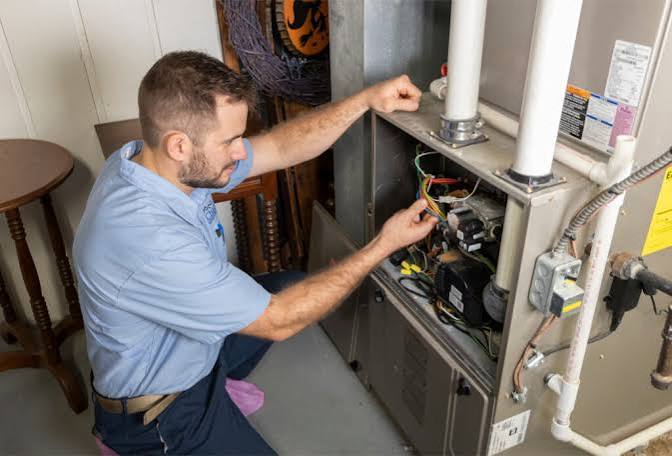
Filters deserve special attention because they influence both comfort and furnace performance. A heavily loaded filter can reduce airflow, which may cause the furnace to run hotter and longer than necessary. Blower motors, belts, sensors, and ignition components can also become less dependable as they age. None of these problems should be diagnosed by guesswork, especially when several symptoms appear at once. A trained technician can inspect operating temperatures, airflow, electrical readings, safety controls, and other key areas to determine what is actually happening. That kind of preparation can be far less stressful than arranging urgent repairs during a freezing night.
Timing matters because cold snaps often mean the furnace must run for longer stretches with fewer breaks between cycles. Any weakness that has been quietly developing may become much more noticeable under that extra workload. A marginal motor can overheat, a dirty component can interfere with normal operation, and a small control problem can lead to repeated shutdowns. Taking care of these issues while the furnace is still functioning gives homeowners more flexibility. There is time to understand the diagnosis, compare repair options, and make a sensible decision without the pressure that comes with a completely cold home and dropping outdoor temperatures.
Preparing an older heating system is ultimately about improving reliability before winter becomes less forgiving. Regular maintenance, fresh filters, attention to unusual sounds, and prompt response to changes in comfort can all help reduce avoidable strain. When symptoms suggest something more than routine upkeep, arranging furnace repair Winnipeg service before severe weather arrives can make a noticeable difference. Professional repairs can restore proper operation, improve consistency, and give the system a better chance of handling long heating cycles. A little attention before the next temperature drop can turn winter from a season of worrying about the furnace into one where the heating system simply does its job.
…
